Why Some Artists Get Every Opportunity (And Others Don’t)
What Promoters Really Look For in Artists: 3 Lessons Every Independent Musician Should Know
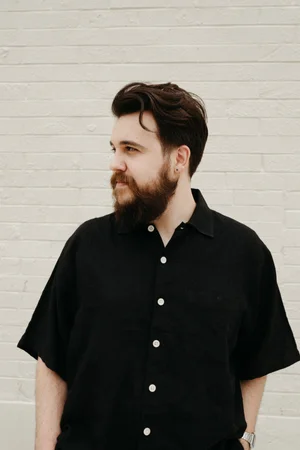
Earlier this year, I sat down with my friend Seth Keen, an independent music promoter, to talk about a question almost every artist asks at some point:
What does it actually take to get better opportunities?
Whether your goal is opening for national acts, playing bigger venues, or simply getting taken more seriously in your local scene, there are a few things promoters consistently look for when deciding who gets the call.
After our conversation, three major takeaways stood out to me.
First, What Does a Music Promoter Actually Do?
A music promoter is responsible for organizing and marketing live events. They work with venues, artists, and audiences to make sure a show is successful.
In many cases, promoters:
Book venues and artists
Coordinate logistics
Market the event
Manage ticket sales
Take on the financial risk of the show
Simply put, they’re the people putting on the party.
And if you’ve ever booked your own venue, put together a lineup, and promoted the event yourself—congratulations, you’ve acted as a promoter too.
Understanding a promoter’s perspective can completely change the way you approach your own career.
1. Make Your Show an Event
One of the biggest things Seth emphasized was this:
Don’t just play gigs. Create events.
You’re not only competing with other bands.
You’re competing with:
Netflix
Video games
Sporting events
Date nights
Every other form of entertainment available that evening.
People need a reason to leave their house.
The artists who stand out create experiences that feel special and worth attending.
Ways to Make Your Shows Feel Like Events
Create a theme night.
Partner with local businesses or charities.
Add exclusive merchandise or limited experiences.
Debut new songs or special collaborations.
Turn the show into something fans can only experience once.
A great example is local artist Cat King and the annual Zombie Prom event. Fans dress up, bands dress up, and the entire night becomes an experience rather than just another show.
Ask yourself:
Why should someone be excited to attend this specific show?
If you can answer that question clearly, you’re already ahead of a lot of artists.
2. Don’t Overplay Your Market
This was probably the most surprising part of my conversation with Seth.
The first thing many promoters look at isn’t necessarily your music.
It’s often:
How often are you playing in your hometown?
If fans can see you every weekend, they may decide they’ll “catch you next time.”
That hurts ticket sales, and promoters know it.
What Is a Radius Clause?
A radius clause is an agreement that prevents an artist from playing another show within a certain distance or timeframe surrounding an event.
Promoters use these clauses to protect the value of their show.
Even if you’re not signing formal radius agreements yet, the principle still matters.
Scarcity creates demand.
If your goal is landing bigger opportunities, playing every possible show may actually work against you.
A Better Approach
For newer artists:
Consider limiting hometown shows to once or twice per month.
For more established artists:
Consider spacing hometown appearances every three to four months.
In between, play nearby markets and continue building your audience elsewhere.
The goal isn’t to disappear.
The goal is to make your shows feel like something people don’t want to miss.
3. Create Value for Your Fans
Promoters want to know that you’re building something people care about.
That means having a brand that fans can invest in.
A few questions to ask yourself:
Do you have recorded music available?
Is your branding consistent?
Can people easily find you online?
Do you have merchandise?
Are you giving fans reasons to stay connected after the show?
This one is non-negotiable:
You need music available online.
If people can only experience your music at a live show, it’s difficult to turn casual listeners into long-term fans.
Recorded music allows people to:
Revisit your songs
Share your work
Become emotionally invested
Support your career beyond a single night
The artists who grow are the artists who make it easy for fans to stay engaged.
The Big Takeaway
One thing Seth said really stuck with me:
Playing for your friends and family is great.
But if your goal is growth, you need to put yourself in front of new audiences.
That’s how you build fans.
That’s how you earn bigger opportunities.
And that’s how you position yourself for the next level of your career.
Promoters aren’t gatekeeping opportunities.
They’re looking for partners who will help make the show successful.
If you take your craft seriously, build experiences people want to attend, avoid oversaturating your market, and create value for your fans, you’ll make yourself a much stronger candidate when those opportunities come around.
Bonus Tips for Reaching Out to Promoters
A few final pieces of advice from Seth:
Email is almost always better than direct messages.
Be professional and organized.
Respect that promoters are managing dozens of events at once.
Don’t overwhelm them with unnecessary questions.
Communicate clearly and provide important information when it’s needed.
Being easy to work with goes a long way.
Watch the Full Conversation
This article only scratches the surface of our conversation.
If you’d like to hear all of Seth’s advice on getting booked, working with promoters, and preparing for bigger opportunities, you can watch the full interview here:
What has been your experience trying to book shows or work with promoters? Leave a comment below or send me a message—I would love to hear your thoughts.

After years of working with artists, venues, and promoters, I kept hearing the same thing: Most artists are focused on the wrong things. The artists getting the best opportunities aren’t always the most talented. They’re the easiest to trust, easiest to work with, and easiest to sell. In this video, I’m sharing the biggest lessons I’ve learned from conversations with promoters about what actually makes an artist stand out.